Contemporary business spaces increasingly rely on digital solutions to design environments that are both functional and appealing. Among the most impactful tools for improving these environments are integrated acoustic solutions. These systems provide organizations to deliver reliable and premium audio throughout business areas, offices, or guest spaces. By implementing connected audio technologies, companies can control musical settings, notifications, and audio cues from a single system, ensuring every zone of the space receives the intended environment. The purposeful application of audio enhances to client comfort and engagement, which is critical for maintaining customers and encouraging loyalty.
Integrated acoustic systems also offer a key purpose in improving operational efficiency. For spacious retail stores or multi-level workspaces, managing music manually can be inefficient and inconsistent. Connected systems deliver centralized command, allowing employees to adjust audio settings, schedule audio tracks, or broadcast notifications instantly throughout multiple sections. This capability of management minimizes the need for repeated intervention and maintains that all areas get the same standard of audio. Organizations can also integrate monitoring systems with these networks to track listening trends and optimize sound output, further enhancing the overall consumer and employee engagement.
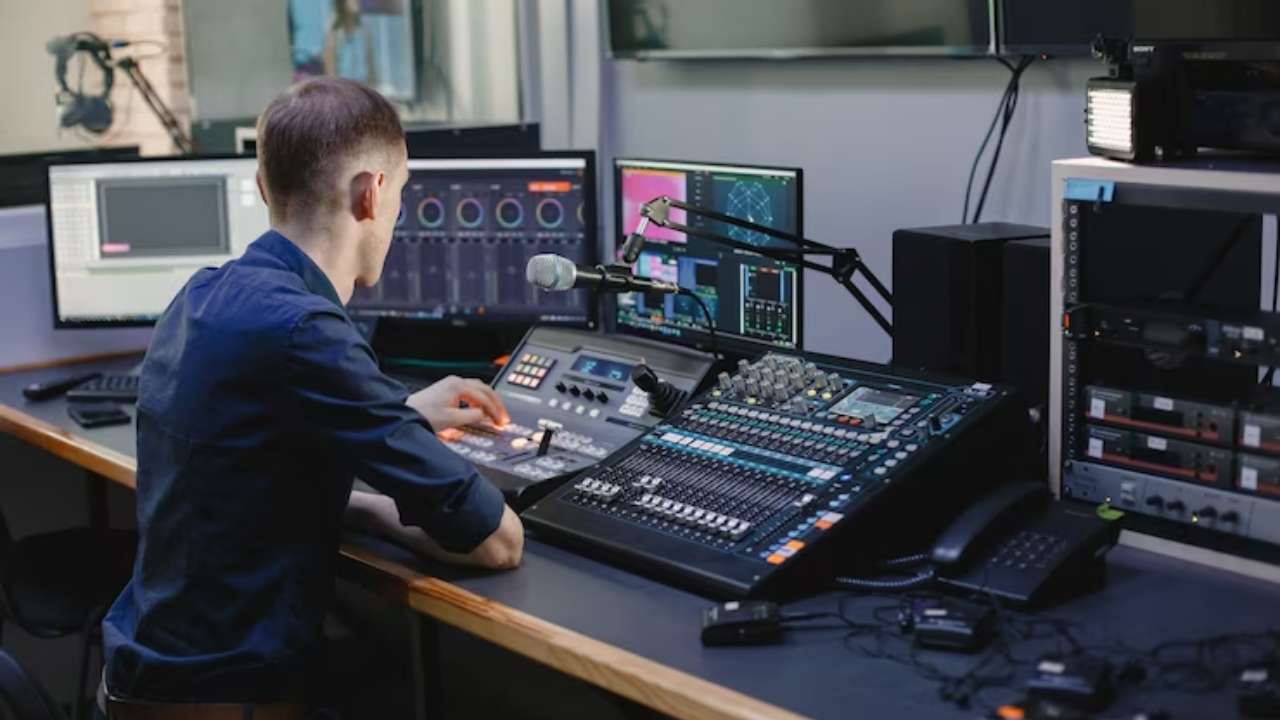
Another key aspect of connected sound technologies is their benefit to brand identity. Sound design is a nuanced yet impactful tool that affects perception and response. Strategically designed audio tracks and audio cues can reinforce a company’s identity, making the area seem comfortable and professional. For example, retail stores can use targeted music or rhythms to increase customer dwell time, while restaurants can adjust ambient sound to enhance meal experiences. The consistency of sound throughout all zones of a company assists maintain a integrated atmosphere that supports both marketing and operational objectives.
Safety and accessibility are further advantages of connected sound solutions in business spaces. These networks can be connected with alert systems to broadcast understandable alerts during critical situations or emergency events. Consistent audio distribution ensures that every part of the building receives alerts simultaneously, limiting uncertainty and supporting protection measures. Furthermore, acoustic solutions can provide inclusive functions, such as audio prompts or inclusive notifications, important source supporting the inclusivity of the space. Incorporating these functionalities demonstrates a focus to both consumer service and safety regulations.
Finally|Ultimately|In find out this here conclusion, deploying in connected sound systems offers long-term value for businesses. Beyond short-term benefits to consumer engagement, these technologies provide expandability, reliability, and adaptability as commercial spaces develop. Enhancing or extending sound systems can be accomplished without significant interruption, and the capability to adjust sound settings ensures that organizations can react effectively to new requirements or preferences. By leveraging state-of-the-art sound systems, businesses can create engaging, productive, and secure environments that elevate both consumer engagement and workflow effectiveness, positioning these systems an essential aspect of modern commercial design.